Table of Content
- The Ultimate Guide to Photography Lighting (83 Tips!)
- How To Use Ambient Lighting For Atmospheric Portraits
- Select the Number of Lights You Want to Use
- When You Should and Should NOT use a Flash
- Avoid These 8 Common Photography Lighting Mistakes
- How to Professionally Light Your Video Studio: 5 Tips to Know
You can start a basic photography studio with one light, either a flash or speedlight and one modifier. Having at least three lights and a reflector ensures luminescence for correctly exposed images. These lighting kits’ power and versatility enable you to shoot a range of photographic styles, from portrait to product photography.
They're ideally suited for use as backlights or for isolating a particular part of an image. Blue Yeti mics are popular amongst streamers, podcasters, and other content creators. If you go on Twitch, you’ll notice it’s one of the more common mics people use.
The Ultimate Guide to Photography Lighting (83 Tips!)
When photographing an outdoor scene, you’ll often encounter a mix of light strength. For example, capturing a building and the sky on a sunny day. You can experiment with side lighting, backlighting, and many ways to soften harsh shadows. Knowing as much as you can about lighting will help you with your photography. It is a difficult area to master, but how the light hits your subject is very important.
It feels better knowing you saved money by making it by hand. Our article here gives you all the advice and tips on what you can expect from each type. For all other tips on what to look for, go through our article here. We take into account five of the best flashes available.
How To Use Ambient Lighting For Atmospheric Portraits
Gels are transparent materials that you lay across the light for various effects. These won’t be high on your must-have list, but they are useful for mood and ambiance. Speedlights by the likes of Yongnuo have useful features like wireless remote triggering, remote power setting and are quick to set up. Studio flash is all about positioning the light source away from the camera, so stands are crucial. They support the flash heads, which means they can be positioned at the right distance and angle to the subject. Studio lighting can seem daunting if you’ve never tried it before.
It depends on the size of your studio and your choice of lighting gears. Besides, it also depends on the type of project you need it for. That said, the ideal amount of lights for a home studio is about 1-4. Led video light with four different color filters for improving your visual experience while shooting. The 7' Manfrotto 256BUAC Self-Locking Air-Cushioned Light Stand is an excellent option.
Select the Number of Lights You Want to Use
On the other hand, the rectangular-shaped kit is ideal for copying natural window lights. However, it usually leaves a rectangular highlight which doesn't have much of a natural look. Lastly, a light strip kit produces a narrow band of light, which is suitable for creating side lighting. So, it is ideal to choose your lighting shape based on the type of project you need it for. The main disadvantage of studio strobes is that they are bulkier to carry. However, there is a newer type of flash called flash strobes that looks like a cross between a monolight and speedlight.
A simple DIY hack is to use a bedsheet with a neutral tone as a backdrop. Or, for a textured backdrop, consider a photo blanket or even a rug. Once attached to the tripod, you can set up your shot, and the camera will stay in place.
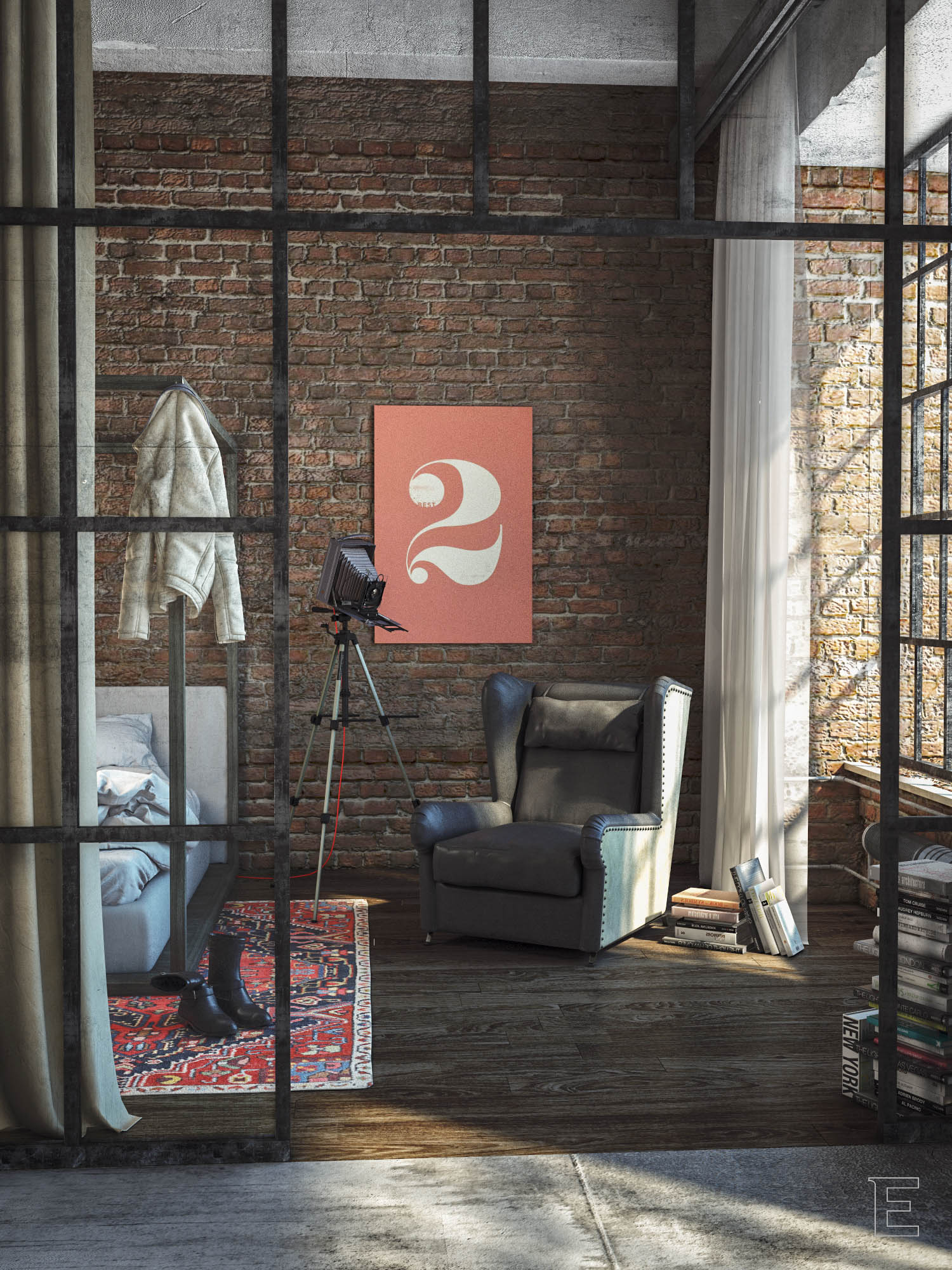
Another valuable addition to your studio set is a collection of props. As they don’t need to be very large, you can buy the black, white or coloured card from a craft store. These make excellent backdrops that are easy to swap out and are non-reflective. If you have an exposed brick wall or concrete wall, they look amazing as portrait backdrops. However, most of us don’t have a blank or attractive wall for portrait shots.
They always start with one light and work up to the multiple lighting setups. It is always beneficial for them to test effects as they go. A softbox should be the first thing you buy after obtaining a studio light.
Here are some of the key tools you'll be using to create the classic studio lighting techniques in this tutorial... Read this article for a great guide to studio lighting for product photography. This is a lighting technique that can be used by speedlights and/or studio strobes. The price of a top-notch studio lighting kit significantly depends on the features it offers. Besides, factors like brand, size, and bulb capacity can be significant determinants of your lighting kit. That said, a top-quality studio light goes for a price within the range of $35.99 to $150.
For all high-key photography questions, tips and techniques, read our article here. A slow shutter speed adds more light, and the flash freezes the subject. Higher numbers mean that the lights will produce more accurate colors in your final images. Choose continuous lights with a CRI or TLCI of 90 or higher, for more accurate color. You can use something that reflects the lights from the key source and illuminate the subject. The huge advantage of these tools is the fact that they are very light and easy to transport.
This sturdy design makes it highly portable and easy to move around in your home studio. It is also the perfect option for conserving space in your studio. A CRI is one vital innovation that shouldn’t be ignored in any lighting system. With a CRI, you can shoot healthy videos and pictures with balanced illumination and toned lighting. It enables you to define your light’s ability to supply intense and precise hues, colors, and even skin tones.

By adding a little light from a flash, you can bring out the details that fall into shadow. A bounce flash is a great way to light a subject, especially if you’re looking for a soft-lighting exposure. A flash can add a significant change to your images, day and night. You can use it as a main light or even a fill to an otherwise well-lit scene.


No comments:
Post a Comment